Thinking about buying in Hyde Park and trying to choose between a condo and a townhome? You are not alone. Both options offer great neighborhood access, but the details around ownership, HOA fees, maintenance, and resale can feel confusing. This guide breaks down the key differences in a clear, Hyde Park-specific way so you can move forward with confidence. Let’s dive in.
Hyde Park housing at a glance
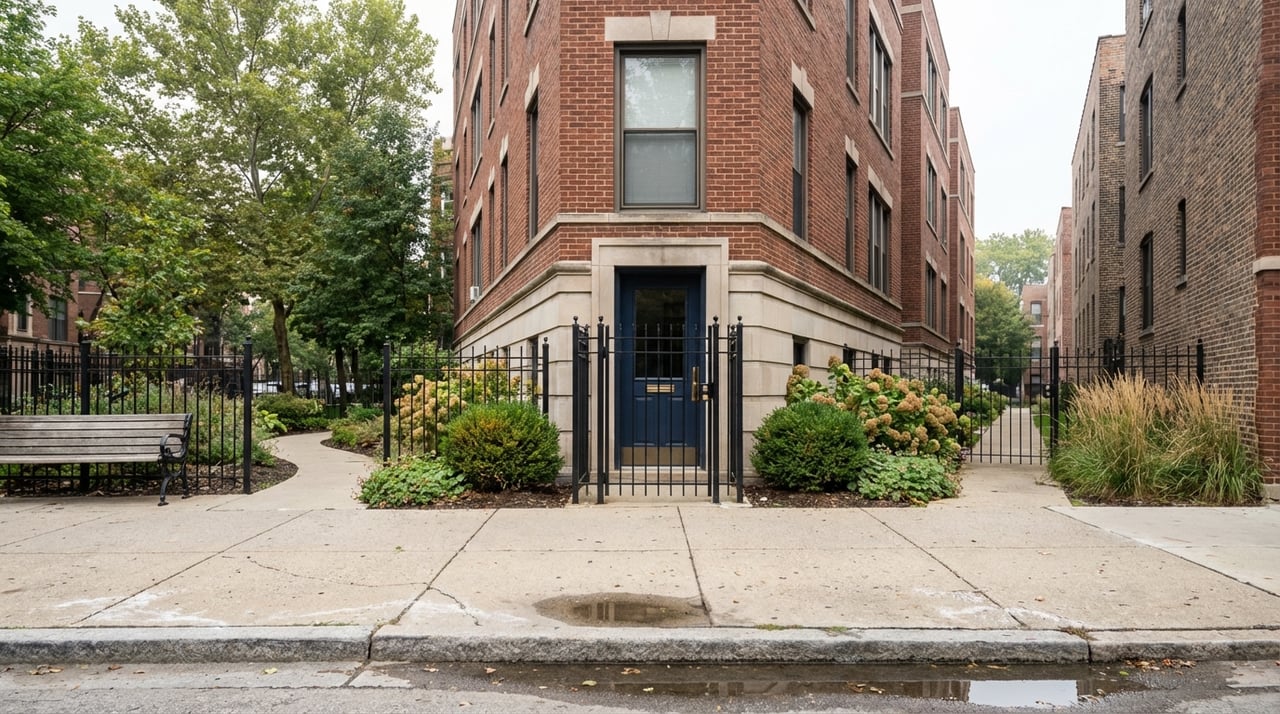
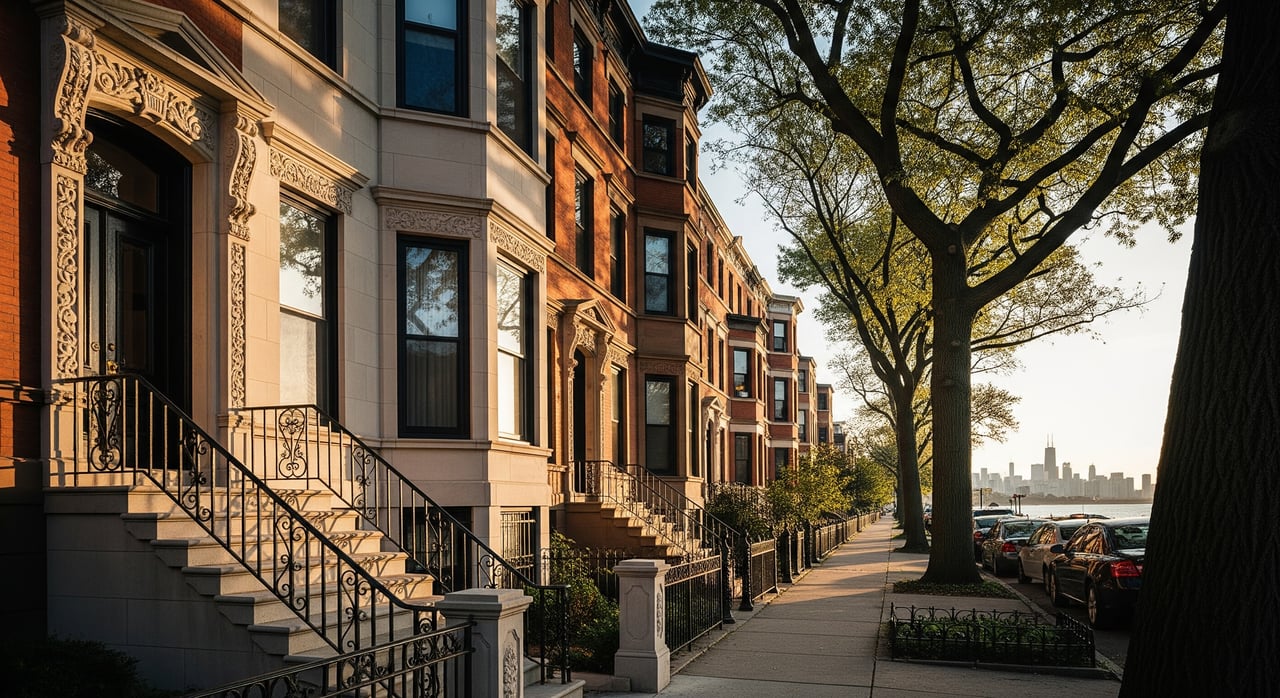
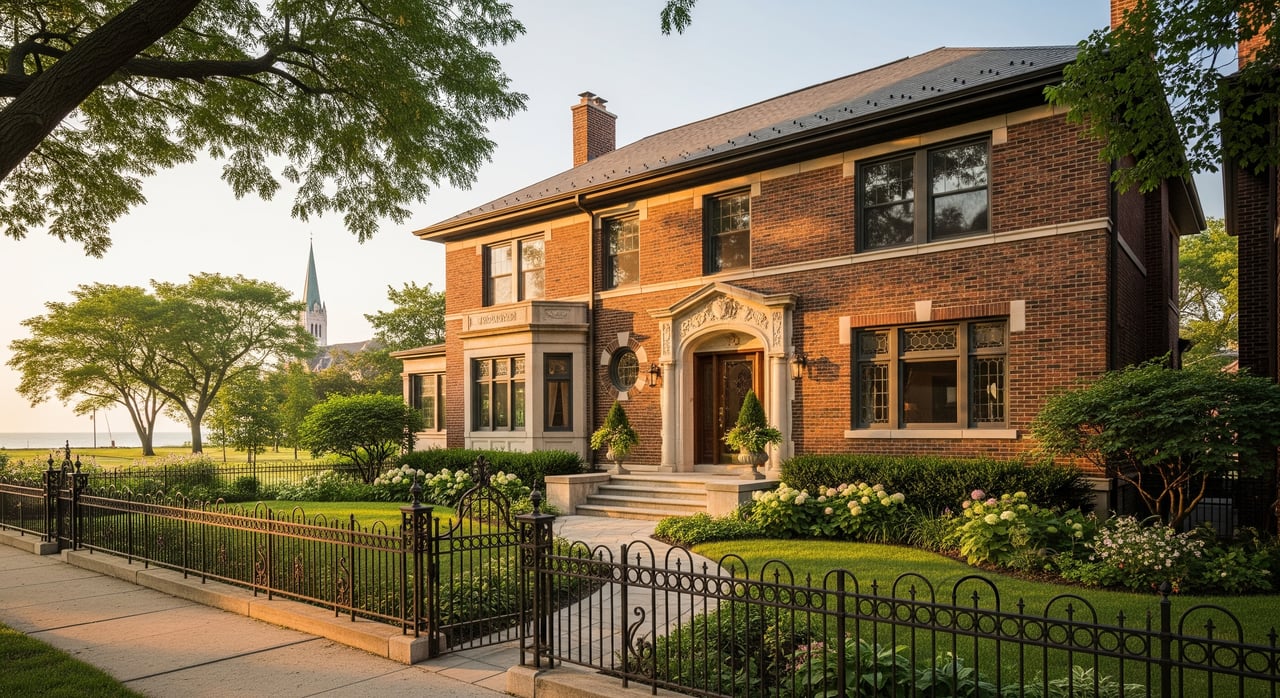
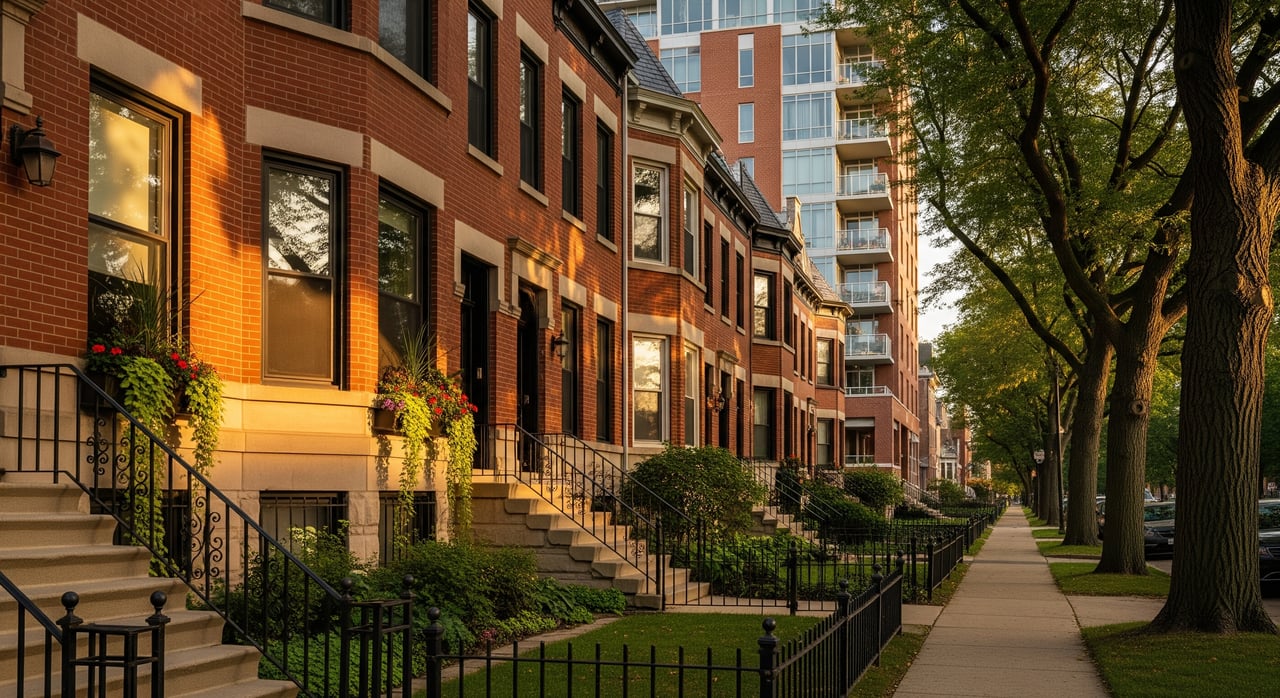
Hyde Park blends historic charm with city convenience. You will find vintage masonry walk-ups and courtyard buildings, mid-century multifamily, converted brownstones, modern condo buildings, and a smaller number of fee-simple townhomes and rowhouses.
Transit access and proximity to the University of Chicago make lower-maintenance condos especially popular with commuters, students, and staff. Townhomes exist, but they are less common than condos and often appeal to buyers who want more space, a private garage, or outdoor areas.
Seasonal demand can shift around the academic calendar. One- and two-bedroom condos often see movement before semester starts, while larger townhomes may follow more traditional family timing.
What you own
Condo ownership
When you buy a condo, you own your individual unit plus an undivided share of the common elements. The condominium declaration and bylaws govern your rights and responsibilities. In Hyde Park’s older buildings, that often means the association handles exterior structure and shared systems, while you handle interior finishes and the plumbing or electrical serving your unit.
Many Hyde Park condos are in converted apartment buildings or vertical developments. Rules and responsibilities can vary by building, so plan to read the declaration closely.
Townhome ownership
Townhomes come in two flavors:
- Fee-simple townhome: You own the land and the entire structure, including the roof and exterior. There may be an HOA for shared landscaping or private drives, but you tend to have more control and more maintenance responsibility.
- Townhome organized as a condo: Some attached townhomes are part of a condo regime. In that case, exterior maintenance may be handled by the association, similar to a standard condo.
Fee-simple ownership often feels more like a single-family home, while condo-structured townhomes can function more like a condo with individual entries.
How to confirm structure
To know exactly what you are buying, review the recorded deed, the condominium declaration (if any), CC&Rs, and a plat of survey. In older Hyde Park buildings, verify whether a unit is a true condo conversion or a fee-simple rowhouse. Your attorney and agent can help you read the documents.
HOA fees and assessments
Condo associations in Hyde Park often cover exterior maintenance, roof, common-area utilities, master insurance, snow removal, trash, and reserves. Larger masonry buildings and those with elevators or doormen may have higher dues to fund operations and long-term projects.
Townhome HOAs, when present, typically cover shared landscaping, private street upkeep, perimeter walls, and sometimes snow removal. Fees for fee-simple townhomes are often lower because owners carry more direct maintenance.
Reserve funds are critical. Older masonry buildings can require major capital projects like tuckpointing, façade work, or roof replacements. Special assessments are not uncommon. Always review the budget, reserve study, and any history of special assessments before you make an offer.
Insurance, taxes, and financing
Insurance basics
- Condos: The association carries a master policy. It might be “bare walls-in” or “all-in,” which determines what the building covers versus what you insure. You will typically carry an HO-6 policy for interior finishes, personal property, liability, and loss assessment coverage. Ask about the master policy deductible and how assessments are handled.
- Fee-simple townhomes: You will usually carry a homeowner’s HO-3 policy that covers the structure, your belongings, and liability. If there is an HOA, check whether it insures any shared areas.
In older buildings, master policy deductibles can be large. Confirm details in writing so you can choose the right coverage.
Property taxes in Cook County
Both condos and townhomes pay property taxes through Cook County. Your tax bill is based on assessed value and any exemptions you qualify for. For condos, the allocation among units depends on how the condo was recorded. For townhomes, you will see taxes tied to your individual parcel. Review parcel history during due diligence.
Mortgage differences
Condos face project-level underwriting. Lenders review owner-occupancy rates, reserves, commercial space, litigation, and concentration of ownership. FHA, VA, and many conventional loans have project approval rules that can affect your loan options and down payment.
Fee-simple townhomes are often treated like single-family homes by lenders, which can simplify property-level underwriting. HOA dues, special assessments, and financial health still matter for your loan qualification and monthly budget.
If you plan to use FHA or VA financing, confirm project approval early. It can save you time and stress during underwriting.
Maintenance and renovations
Who fixes what
- Condos: Associations typically handle exterior structure and common systems. You maintain the interior of your unit. Windows may be owner or association responsibility based on the declaration, so verify.
- Fee-simple townhomes: You are responsible for the roof, façade, gutters, and exterior, plus all interior items. The HOA, if any, handles only shared elements.
Expect higher direct maintenance costs on fee-simple townhomes, but also more control over timing and contractors.
Renovation approvals
Condo associations often require board approval for interior work that affects plumbing, electrical, or layout. Exterior changes always need approval. Some Hyde Park buildings sit in historic districts or are landmarked, which adds city permitting and preservation review for exterior work.
Townhomes usually require HOA approvals for exterior changes where an HOA exists. City permits and any landmark rules still apply.
Utilities and services
Condo dues may include shared utilities like water, gas, or heating, depending on the building’s setup. Townhomes more often have individual meters. Clarify what is included and what you pay on your own.
Lifestyle and resale in Hyde Park
Fit and features
Condos appeal if you want lower day-to-day maintenance, elevator access, and a lock-and-leave lifestyle close to transit and campus. Townhomes attract buyers who want multiple levels, a bit more privacy, outdoor space, or a private garage. Think about your daily routine, storage needs, and how long you plan to stay.
Parking and storage
On-street parking can be tight in Hyde Park. Deeded or assigned parking adds value and convenience. Townhomes more often include private garages. Many condo buildings offer deeded spaces, sometimes at extra cost or in a separate garage. Ask how parking is assigned and what guest policies look like.
Rules, pets, and rentals
HOA rules vary widely. Confirm pet policies and any rental restrictions, including short-term rental rules that must align with City of Chicago regulations. If you plan to rent your unit, review lease terms, caps, registration, and enforcement before you buy.
Resale factors
Marketability in Hyde Park often comes down to association financial health, exterior condition and recent capital projects, parking availability, transit access, and proximity to the University of Chicago. Condos may offer a lower entry price and broader buyer pool. Townhomes can command higher prices per square foot but may have fewer active buyers at any given time.
Cost comparison checklist
Use this quick list to compare apples to apples across properties:
- Monthly HOA dues and what they include
- Reserve fund strength and special assessment history
- Master insurance coverage and deductibles; your HO-6 or HO-3 quote
- Cook County property taxes and exemptions
- Typical utilities and whether they are individually metered
- Anticipated long-term maintenance, especially for older masonry
- Parking costs, if spaces are deeded or leased separately
- Renovation approval timelines and likely permitting needs
Documents to review
For condos
- Recorded declaration, bylaws, and plat of survey
- Annual budget, financial statements, and the most recent reserve study
- Board meeting minutes and disclosures on planned projects
- Master insurance declarations and certificate
- History of special assessments and any pending assessments
- Policies on leasing, pets, and short-term rentals
- Any litigation involving the association
For townhomes with an HOA
- CC&Rs and any architectural guidelines
- HOA budget, reserve information, and meeting minutes
- Insurance declarations for shared areas
- Shared maintenance agreements or easements
For all properties
- Cook County property tax history
- Deed and any party-wall agreements
- Building inspection reports, if available
- Any historic-district or landmark requirements for exterior work
Smart questions to ask
- When was the last reserve study, and what percentage funded are reserves?
- Are any major capital projects planned in the next 12 to 24 months?
- Have there been recent special assessments, and are new ones expected?
- What does the master policy cover, and what is the current deductible?
- Is the condo project approved for FHA or VA, if needed for financing?
- How is parking assigned, and what are guest rules and fees?
- What are the rental and pet policies, and are there caps or waitlists?
- Is there any current or pending litigation involving the association?
Next steps
If you want lower maintenance and strong building amenities, a condo in Hyde Park may be the right fit. If you want more control, a garage, and outdoor space, explore fee-simple townhomes and rowhouses. Either way, confirm the legal structure, review HOA documents in detail, and understand reserves and insurance before you commit.
A simple plan helps:
- Get preapproved and confirm any condo project approval needs with your lender.
- Request and review the association documents listed above.
- Compare total monthly and long-term costs, not just the purchase price.
- Schedule a thorough inspection, with a masonry or roof specialist as needed.
- Partner with a neighborhood-first advisor who will help you weigh lifestyle and resale, not just the numbers.
Ready to find the right fit in Hyde Park? Reach out to Imani Khayyuh for tailored guidance, curated options, and a concierge path to your next home.
FAQs
What is the main difference between a Hyde Park condo and a townhome?
- A condo gives you ownership of your unit plus a share of common areas, while a fee-simple townhome gives you ownership of the land and entire structure, including the roof and exterior.
How do HOA dues typically differ for Hyde Park condos vs townhomes?
- Condo dues often cover exterior maintenance, building systems, and a master insurance policy, whereas townhome HOAs, when present, usually cover shared landscaping or private drives with lower dues.
What insurance do I need for a condo or townhome in Chicago?
- Condo owners typically carry an HO-6 policy that covers interiors and loss assessment, while fee-simple townhome owners usually carry an HO-3 homeowner’s policy for the entire structure.
How do special assessments work in older Hyde Park buildings?
- Associations may levy special assessments for major projects like roof or façade work; review reserve studies, budgets, and past assessments to gauge risk and timing.
Will FHA or VA loans affect my Hyde Park condo purchase?
- Yes. Lenders review condo projects for approval, which can influence your loan options and down payment; check project approval status early if using FHA or VA.
What documents should I review before making an offer on a condo in Hyde Park?
- Ask for the declaration, bylaws, budget, financials, reserve study, meeting minutes, insurance details, assessment history, and policies on rentals and pets, plus any litigation disclosures.