Imagine stepping out your front door to tree-lined streets, a lakefront run, and a quick coffee before your commute. If you are weighing a move to Hyde Park, you likely want a neighborhood that blends culture, convenience, and calm. This guide gives you a clear picture of daily life, from parks and museums to transit, schools, and housing. You will also get practical buying and selling tips tailored to Hyde Park’s unique rhythm. Let’s dive in.
Hyde Park at a glance
Hyde Park sits on Chicago’s South Side along the lakefront, anchored by the University of Chicago. Informal boundaries often run from about 47th to 67th Street and from Lake Michigan west to the rail corridor near Cottage Grove. You will find a classic Chicago mix here, with residential blocks, retail streets, and landmark parks.
The neighborhood is known for an intellectual and cultural vibe. The university draws students, faculty, researchers, and visiting scholars, while long-term residents add deep neighborhood roots. You will see families with strollers, graduate students with laptops, and weekend museum-goers sharing the same sidewalks.
Daily life and walkability
Shops, eats, and errands
Everyday amenities are close at hand. Commercial corridors along 53rd, 55th, and 57th streets offer grocery options, cafes, restaurants, and services. Many residents plan most errands on foot, then use rideshare or transit for trips beyond the neighborhood. Weekends often revolve around brunch, a farmers market, or a museum visit.
Parks and green space
Hyde Park’s green spaces are a major draw. Jackson Park provides expansive lawns, lagoons, and lake access for running, biking, and picnics. Explore the park’s history and features on the Chicago Park District’s page for Jackson Park. The Midway Plaisance frames the south edge of the university and is popular for walks and casual sports. In summer, locals head to Promontory Point for skyline views and lakeside swims.
Transit and getting around
Hyde Park offers multiple car-free options to reach downtown and other parts of the city.
- Rail: The CTA Green Line and the Metra Electric District connect Hyde Park to the Loop and the museum campus. Typical rail commutes to downtown often range from about 15 to 30 minutes depending on the station and time of day.
- Bus: Several CTA bus routes run north-south and east-west, filling in gaps between train lines and key destinations.
- Biking and walking: The lakefront trail, Jackson Park’s paths, and the Midway make biking and walking part of daily life for many residents.
Driving and parking
Car ownership is common among families and commuters who want flexibility. Street parking varies by block, with some permit zones in place. Newer condo buildings often include garage or structured parking. Expect heavier traffic on major arterials during peak hours.
Cultural anchors you will use
University of Chicago
The University of Chicago shapes local life, from collegiate architecture to public lectures, libraries, and community programs. University events, performances, and exhibits often have public access, which keeps the neighborhood’s cultural calendar active year-round.
Museum of Science and Industry
On the lakefront within Jackson Park, the Museum of Science and Industry draws visitors from across the region. Its exhibits and school trips add energy to the area, especially on weekends and holidays. The museum also supports local businesses through steady foot traffic.
Schools and education
Hyde Park is served by Chicago Public Schools. Attendance boundaries and options can change, so confirm details with the CPS School Locator. Families also consider selective enrollment, magnet and charter programs, and private or parochial schools based on their needs.
The University of Chicago Laboratory Schools, commonly called the Lab Schools, is a well-known independent K–12 option within the neighborhood. If you are exploring private education, review admissions and programs directly with the University of Chicago Laboratory Schools.
Keep your language neutral and fact-based when comparing schools. Check the most current CPS report cards and official school information before making any decisions.
Homes and architecture
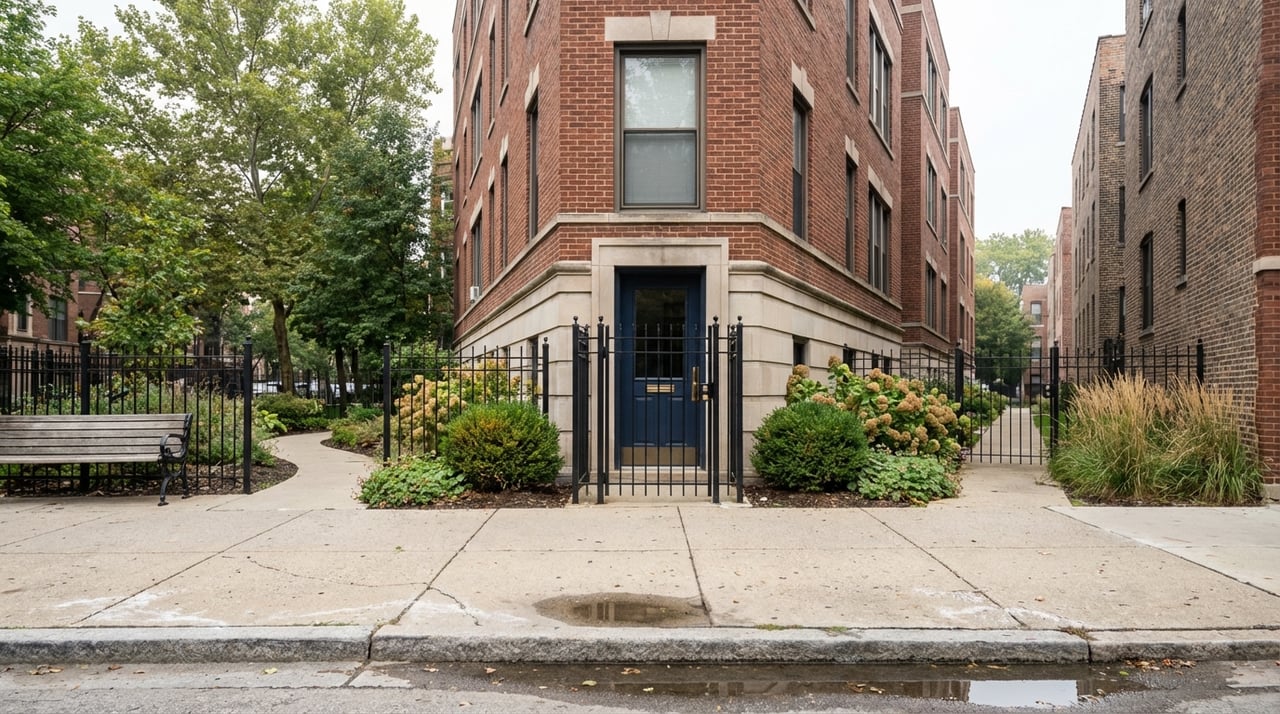
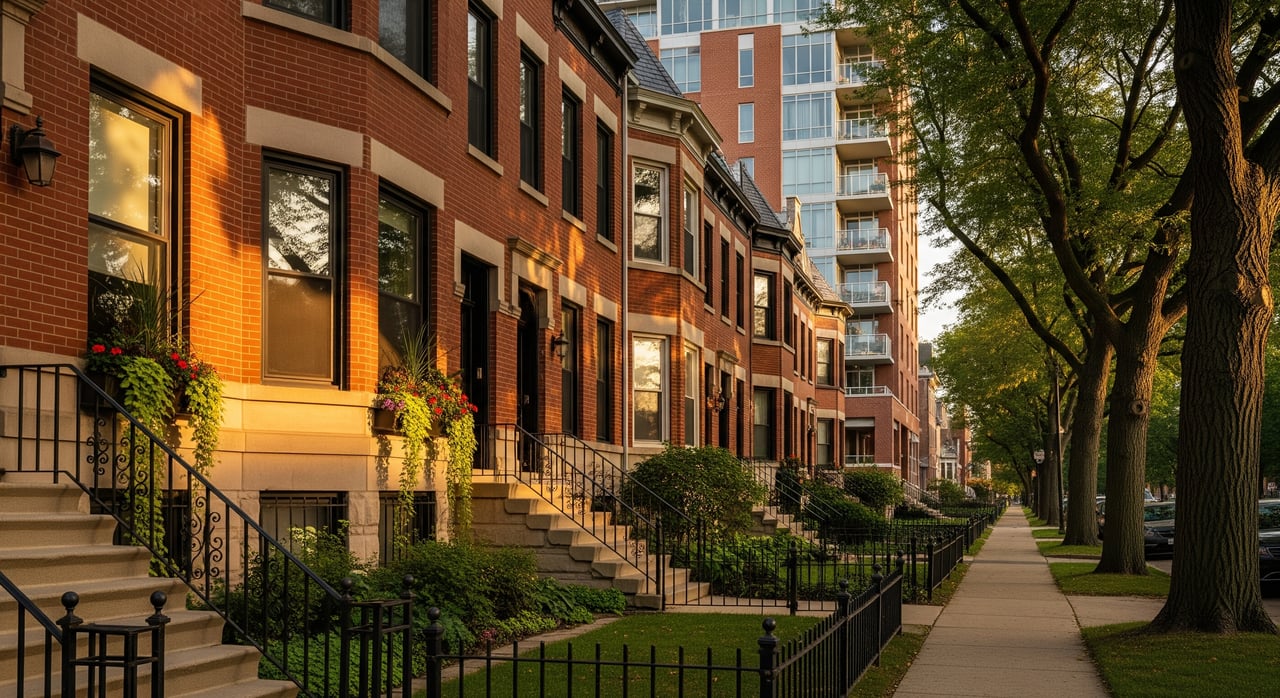
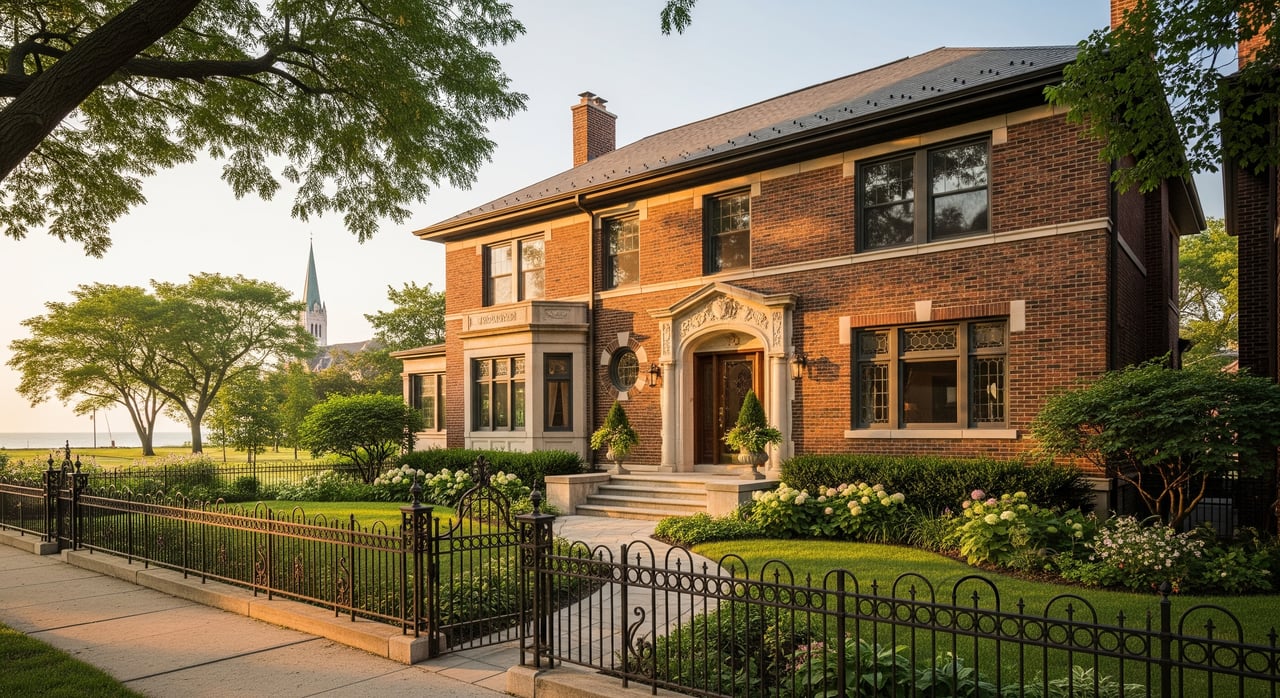
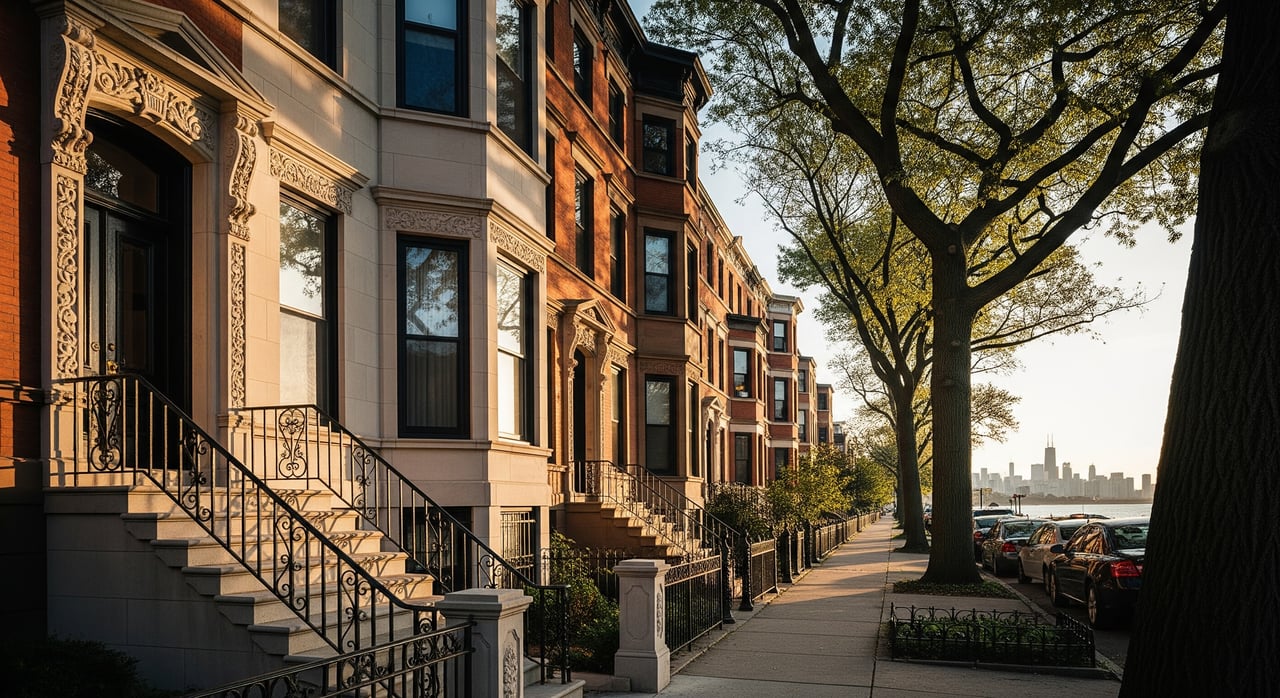
Hyde Park offers a wide mix of housing styles. You will find historic single-family homes, classic greystones, two- and three-flats, vintage walk-ups, cooperative and condominium buildings, and modern mid-rise condos. Many properties date from the late 19th and early 20th centuries, which gives blocks architectural character and, at times, unique maintenance needs.
- Condos and co-ops: These often provide the most accessible entry point for ownership, with options ranging from vintage units to renovated apartments in elevator buildings.
- Single-family homes: Larger historic houses and updated properties near the lakefront, the Midway, or established residential pockets tend to command a premium.
- Rentals: Rental demand is steady, influenced by the academic calendar and the university’s employment base. Seasonality can affect availability and pricing.
What tends to drive pricing
Property type, condition, block, and proximity to the lake, parks, or campus all influence value. Move-in-ready homes near transit or green space typically see more competition. Historic homes with thoughtful updates often attract buyers seeking long-term value and lifestyle fit.
Condo and co-op essentials
If you are purchasing a condo or co-op, review building bylaws, reserves, recent special assessments, and maintenance history. For older buildings, consider inspections that focus on masonry, roofing, windows, plumbing, and mechanical systems. Ask for recent association meeting minutes to spot upcoming projects or policy changes.
Smart buyer strategies
- Define your priorities. Rank proximity to the lakefront, the university, transit, and retail corridors, then focus your search by block.
- Test the commute. Ride both Metra and CTA at peak hours to compare timing and convenience for your specific route.
- Assess the building and the block. For multiunit buildings, review financials and rules. For single-family homes, review recent permits and explore potential historic or zoning considerations.
- Price with data. Ask your agent for recent comparable sales and a 12-month trend review, then plan for competition on well-priced, move-in-ready homes.
- Plan the timing. Hyde Park often follows an academic rhythm. Spring and late summer can bring more movement, especially for rentals and smaller condos.
Seller tips for a standout sale
- Lead with lifestyle. Highlight walkability, lake access, and proximity to cultural anchors like the University of Chicago and the museum campus.
- Prepare for the market. Stage strategically, invest in professional photography and video, and address simple repairs that improve first impressions.
- Price with precision. Use recent local comps, adjust for updates and block-level differences, and align your timeline with seasonal demand.
- For condos and co-ops. Gather association documents early, including budgets, reserves, and any pending projects that buyers and lenders will review.
Safety and practical basics
Hyde Park is generally perceived as one of the more stable parts of the South Side, in part due to a strong institutional presence and active community programs. Like any urban neighborhood, conditions vary by block and time of day. To review current data, explore the City of Chicago’s Crimes 2001 to Present dataset and map views.
Taxes, permits, and historic context
Property taxes and assessments follow Cook County rules. Review parcel records and recent bills through the Cook County Assessor when evaluating ownership costs. Certain streets include landmarked or historically sensitive properties, which can affect approvals for exterior work. If you plan major renovations, factor in potential review timelines and permit requirements.
Is Hyde Park a fit for you?
If you value a walkable neighborhood with landmark parks, a tight cultural calendar, and direct rail access to downtown, Hyde Park delivers a rare blend of convenience and calm. You can spend Saturday at the Museum of Science and Industry, jog the lakefront on Sunday, and still have a straightforward commute on Monday. Whether you are a first-time buyer, a growing household, or a seller planning a move, a tailored strategy will help you make the most of this market.
If you are ready to take the next step, let’s craft a plan that fits your timeline and goals. Reach out to Imani Khayyuh to get curated guidance and VIP access as we launch.
FAQs
How long is the commute from Hyde Park to downtown Chicago?
- Typical train commutes to the Loop often range from about 15 to 30 minutes, depending on your station, the CTA or Metra Electric District schedule, and time of day.
Which parks in Hyde Park are most popular and why?
- Jackson Park offers expansive lawns, lagoons, and lake access, and Promontory Point draws summer swimmers and sunset watchers with skyline views.
How do public school options work for Hyde Park addresses?
- School assignments and program availability can change, so confirm boundaries and options with the CPS School Locator and review current report cards.
What private school options are within the neighborhood?
- The University of Chicago Laboratory Schools is a well-known independent K–12 option in Hyde Park; visit the Lab Schools for admissions and program information.
What types of homes are most common in Hyde Park?
- You will find historic single-family homes, greystones, two- and three-flats, vintage walk-ups, co-ops, and condos, plus some modern mid-rise buildings.
How can I evaluate safety when choosing a block in Hyde Park?
- Review recent data on the City of Chicago’s crime portal, then visit the block at different times to assess activity and your comfort level.