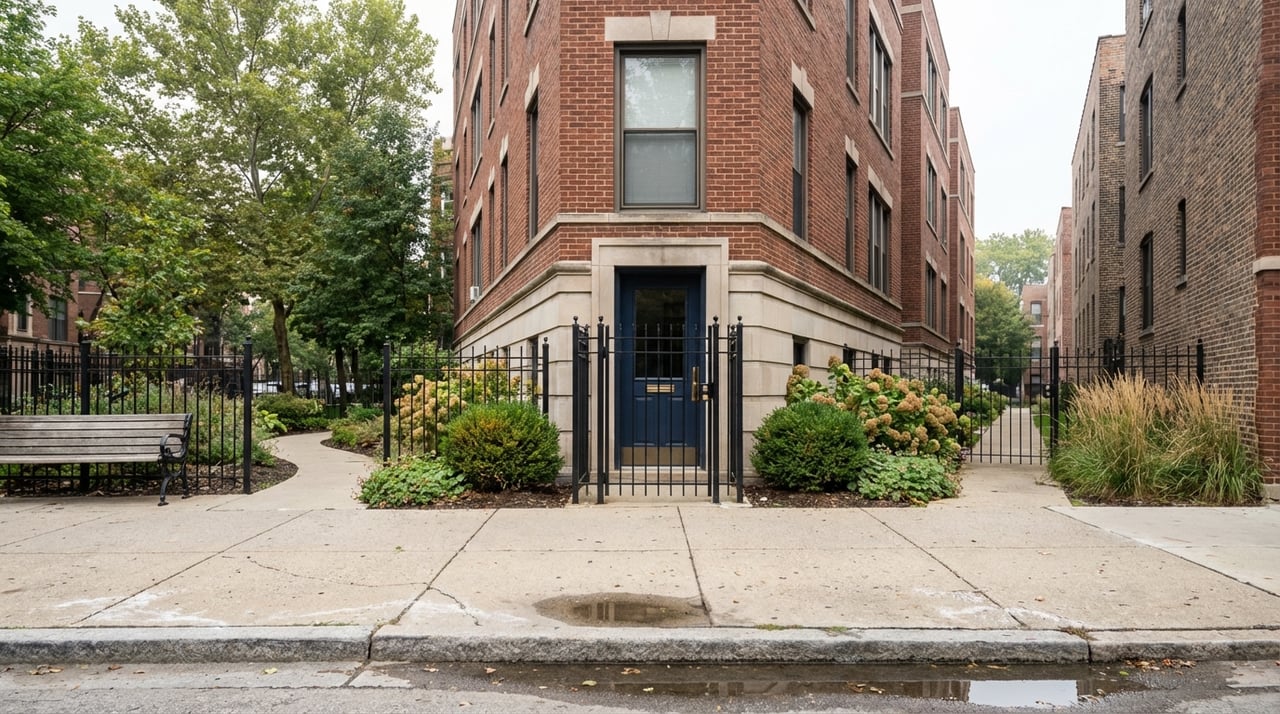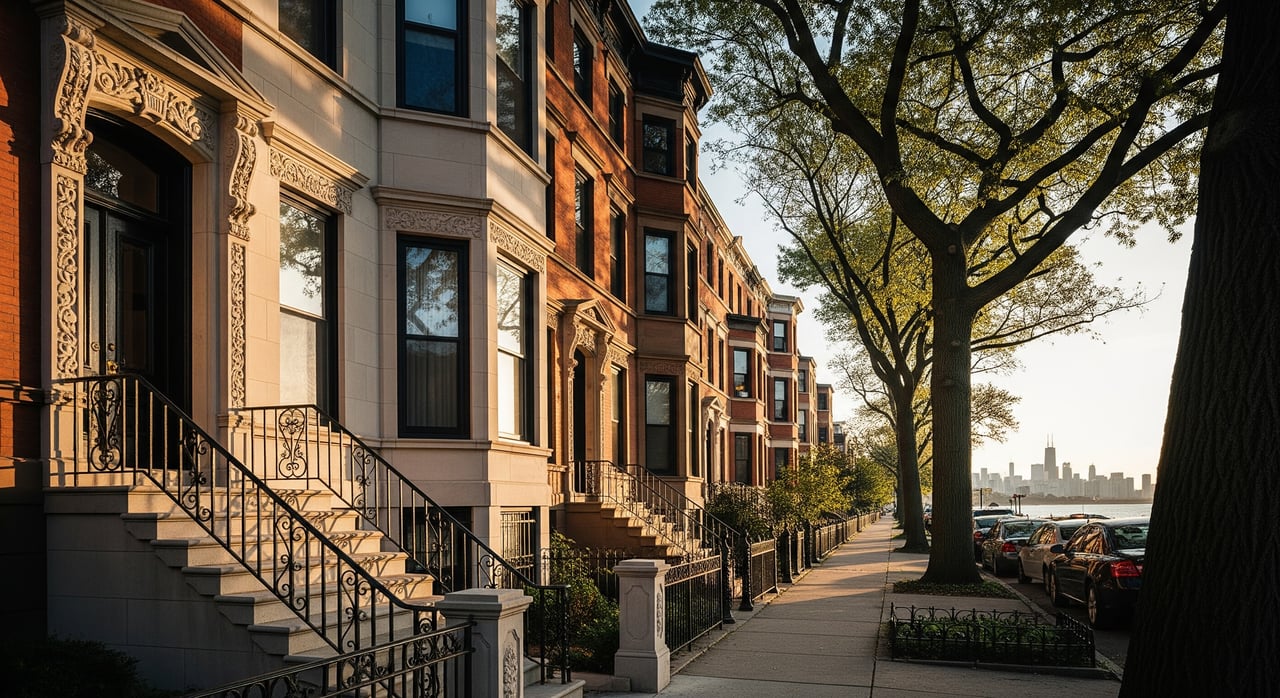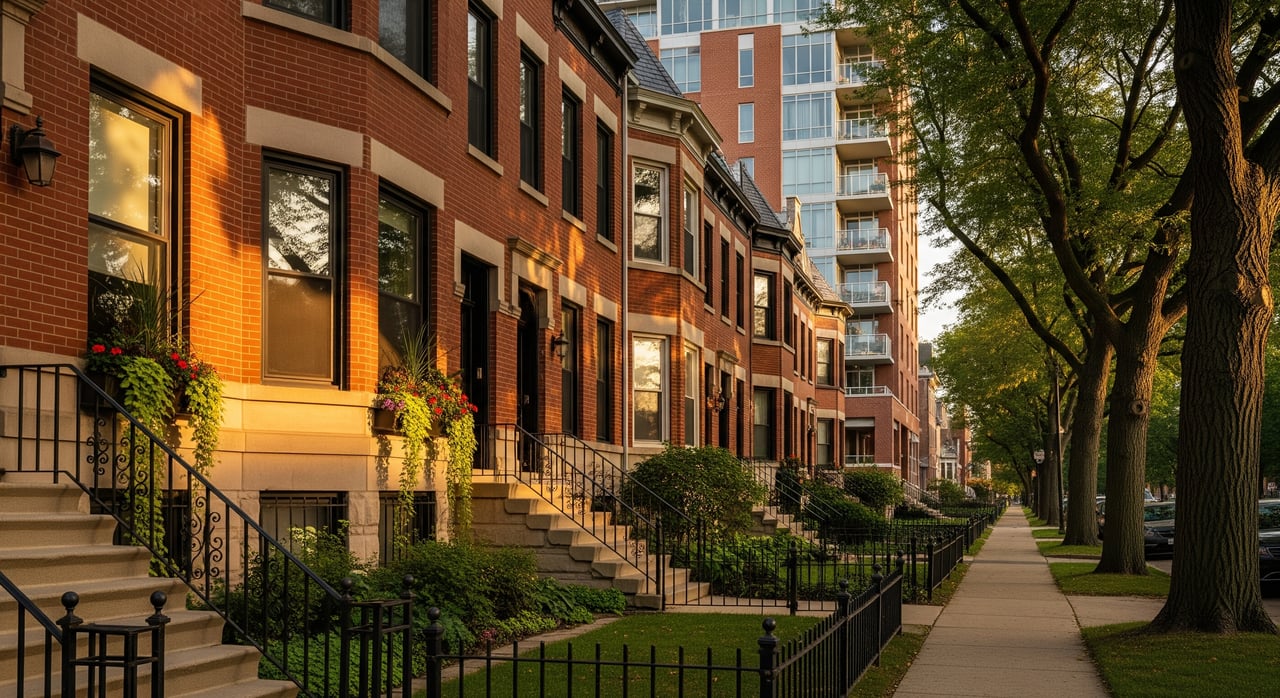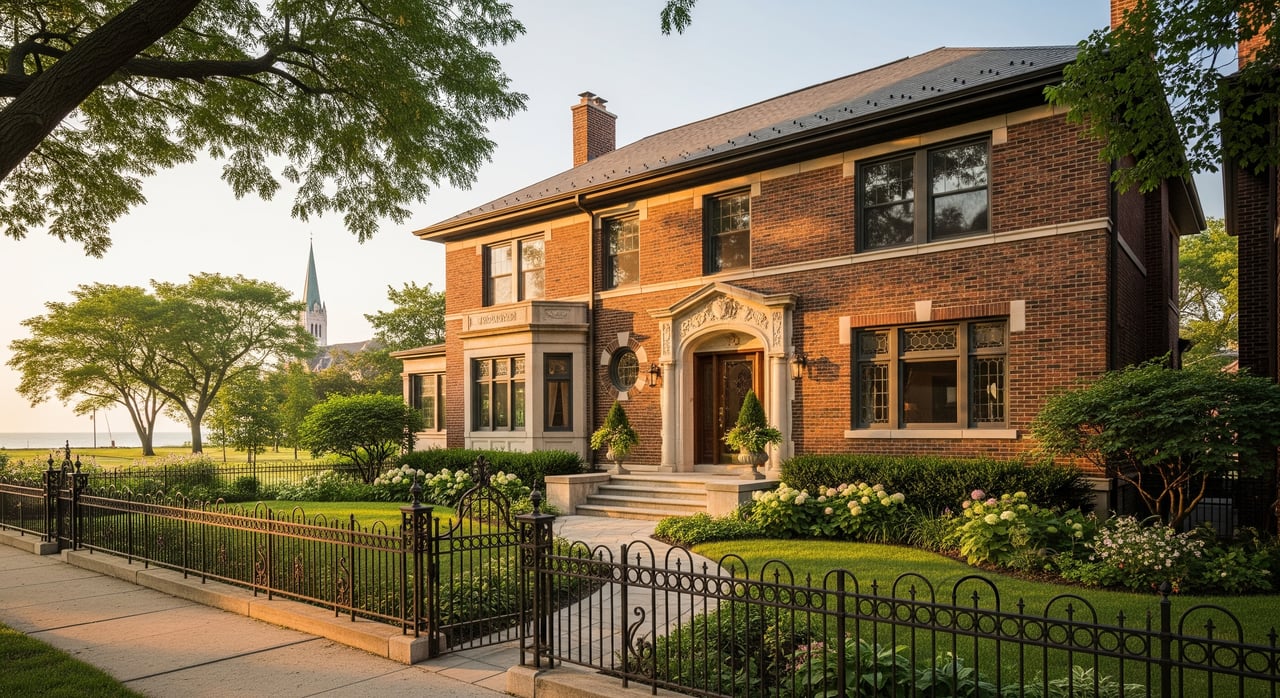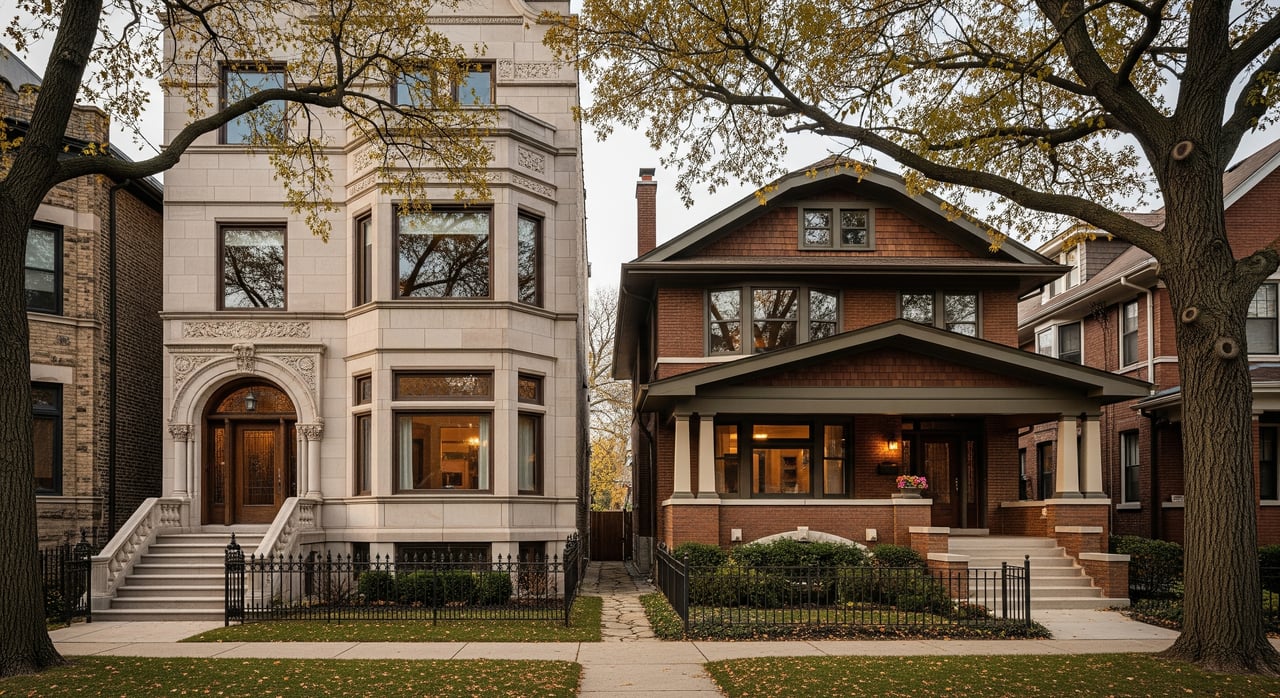
Torn between a cozy bungalow and a stately greystone on Chicago’s South Side? You are not alone. In Beverly, both styles offer character, comfort, and long-term appeal, yet they live very differently day to day. This guide helps you compare how each home looks, functions, and maintains in Beverly so you can choose with confidence. Let’s dive in.
Beverly snapshot: style and setting
Beverly sits along the Ridge, so you see rolling streets, mature trees, and a strong mix of early 20th-century homes. The neighborhood favors single-family living, which makes both bungalows and stone-faced homes a natural fit.
Some blocks and properties are historically significant. If a home is landmarked or in a local historic district, exterior changes may require review by the Commission on Chicago Landmarks in addition to standard permits from the Chicago Department of Buildings. Plan ahead for permitting, especially for exterior work, additions, or façade repairs.
Chicago bungalow: look and layout
Bungalows in Beverly are typically brick, built from the 1910s through the 1940s, with a full basement and one main living level. Many have a partial attic or dormer that can be finished for extra space.
Common cues you will notice:
- Low-pitched roof with wide eaves and grouped front windows.
- A front or enclosed porch that adds daily living space.
- A main level with living room, dining area, kitchen at the rear, and 2 to 4 bedrooms.
- Full basement for mechanicals, laundry, storage, or finishing later.
How it lives
One-level living is the headline. Circulation is efficient, yard access is easy, and utilities can be manageable because the footprint is compact. Design-forward buyers often highlight built-in woodwork and Arts and Crafts details during a remodel.
Bungalow maintenance watchlist
- Roofs and eaves. Low slopes and gutters need regular inspection to prevent rot at soffits and exposed rafters.
- Basements. Older basements often benefit from waterproofing, sump systems, and periodic tuckpointing at the foundation.
- Windows. Original wood windows can be restored or replaced for energy performance.
- Masonry. Brick repointing is periodic but generally less specialized than stone repair.
Greystone: look and layout
“Greystone” often refers to limestone or stone-faced homes from the late 1800s to early 1900s. In Beverly, you may see taller, more formal single-family versions, and in some parts of Chicago these forms appear as two- or three-flats.
Common cues you will notice:
- Elevated stoop and tall windows that emphasize verticality.
- Formal front rooms with high ceilings and a separate dining room.
- Bedrooms on upper floors, with potential for more bedrooms and baths overall.
- Heavier ornamental details, carved stone, ironwork, and prominent cornices.
How it lives
You get drama and space. High ceilings and large rooms suit formal entertaining, creative work zones, or multi-generational setups. The extra square footage allows flexible room planning, including offices and media rooms, subject to zoning if you plan secondary units.
Greystone maintenance watchlist
- Limestone façade. Expect cyclical repointing. In freeze-thaw climates, stone can spall or delaminate and may need professional repair.
- Cornices and ornament. Decorative metal and stone elements require periodic inspection. Deferred maintenance can become a safety issue and cost driver.
- Tall building systems. Roofing, gutters, and tall windows can be more complex and costly to service or replace.
Renovation and reconfiguration
You can modernize interiors in both styles. Bungalows are usually easier to open up because of their smaller spans. Greystones can be reworked as well, but load-bearing masonry and historic detailing may increase scope and cost. Exterior changes on landmarked properties may need landmark review.
Curb appeal and streetscape in Beverly
Bungalows sit lower and feel cozy from the street. Porches and Craftsman details are part of the charm. Greystones read as stately and vertical, with a strong presence and formal entry.
Porches, stoops, and yards
- Bungalows often trade depth in the front for usable backyards and everyday porch living.
- Greystones lean toward stoops and compact front landscaping. Landscaping choices and stone pathways can shape the look and the maintenance level for both styles.
Parking and garages
Garage feasibility depends on your specific lot, setbacks, and whether there is alley access. On historically sensitive blocks, new or expanded garages can be constrained by preservation guidance. Confirm requirements during due diligence before you plan new parking.
Budget, energy, and scope of work
Condition matters more than style, but the typical cost drivers differ.
- Greystones. Specialized stone repointing and repair, cornice restoration, and historically appropriate tall window work tend to drive costs. Larger square footage often means more systems to maintain or replace.
- Bungalows. Basement waterproofing, roof and eave repairs, and window work are the common needs, usually at a lower per-square-foot cost if you keep the layout intact.
- Energy upgrades. Both benefit from insulation improvements, mechanical updates, and window strategies. Taller ceilings in greystones can increase heating and cooling loads compared with compact bungalows.
Which fits your lifestyle
Choose the bungalow if you want:
- Main-level bedrooms and one-level living with fewer stairs.
- An efficient footprint that is easier to heat and cool.
- Craftsman details you can refresh with a design-forward remodel.
Choose the greystone if you want:
- Volume and formality for entertaining or separate zones for work and play.
- Room count potential across multiple floors.
- Architectural drama and are prepared for periodic stone and cornice care.
Inspection and permit checklist for Beverly buyers
Bring this quick list to showings and pre-offer inspections:
- Masonry and structure. Check brick and stone joints, look for spalling or uneven settlement. Greystones may need specialized stone evaluation.
- Roof and gutters. Review slopes, flashing, and eaves, especially on low-pitched bungalow roofs and multi-slope greystone roofs.
- Basement and foundation. Assess moisture, sump systems, drains, and any prior waterproofing or tuckpointing.
- Mechanical systems. Age and condition of HVAC, electrical panels, and plumbing supply and waste lines.
- Windows and doors. Function, condition, and whether historic elements were restored or replaced.
- Landmark status and permits. Verify whether the property is designated or within a historic district. Exterior work may require review by the Commission on Chicago Landmarks, and most projects need permits from the Chicago Department of Buildings.
- Garage and site. Confirm alley access, setbacks, and any preservation constraints for new or expanded parking.
- Sidewalks. In Chicago, homeowners are responsible for sidewalk repairs, so factor that into your maintenance plan.
Resale outlook in Beverly
Homes with preserved character and smart, systems-first updates tend to perform well. Bungalows attract buyers who want efficient single-family living and manageable maintenance. Greystones draw those who value space, high ceilings, and architectural details. Across both styles, updated mechanicals, dry basements, solid roofs, and sound masonry help reduce time on market.
Ready to compare homes in person?
If you are weighing a Beverly bungalow against a greystone, a walk-through with a clear inspection plan will make the choice obvious. You will feel the difference in light, ceiling height, stair count, and yard flow within minutes. When you are ready for a curated short list and a renovation-minded strategy, connect with Imani Khayyuh for boutique, neighborhood-first guidance.
FAQs
Which style is cheaper to maintain in Beverly?
- Generally, a well-maintained bungalow has lower routine costs because it has a smaller roof area and less ornate masonry. Greystones often require periodic stone repointing and cornice or ornament care, which can be higher ticket.
Are basements usable in both bungalows and greystones?
- Yes. Both typically include full basements. Expect common needs like waterproofing, sump systems, and mechanical upgrades in older homes.
Can I modernize the interior without losing historic character?
- Yes. Bungalows are often easier to open up with modest structural work. Greystones can be modernized too, but exterior or façade-related work may require permits and, if landmarked, review by the Commission on Chicago Landmarks.
What permits or reviews might I need in Beverly?
- Most projects require permits from the Chicago Department of Buildings. If the property is a local landmark or in a historic district, exterior changes may also need Commission on Chicago Landmarks review.
Is adding or expanding a garage realistic in Beverly?
- It depends on the lot, alley access, and setbacks. On historically sensitive blocks, preservation considerations may limit new or larger garages. Verify feasibility early in your process.
How do these styles compare for energy and comfort?
- Bungalows often feel efficient due to compact layouts and one-level living. Greystones offer volume and high ceilings, which can raise heating and cooling loads. Both benefit from insulation upgrades and modern HVAC.